Beyond Traditional Procurement
Article Summary (TLDR): Learn how TLI’s strategic truckload and LTL sourcing approach delivers custom
transportation RFPs, optimized mode selection, and long-term motor carrier partnerships. Discover how rate transparency, lane data, and performance KPIs build stronger data-driven freight programs.
The most successful shippers understand that carrier alignment drives long term performance. TLI designs RFPs that attract the right carriers, offer appropriate mode optimization, set clear service expectations upfront, and create stability on the lanes that matter most. That approach delivers predictable costs, dependable service, and transportation strategies built to scale.
Most shippers use a procurement driven process where low bids are the focus and carrier relationships are superficial. TLI takes a different path.
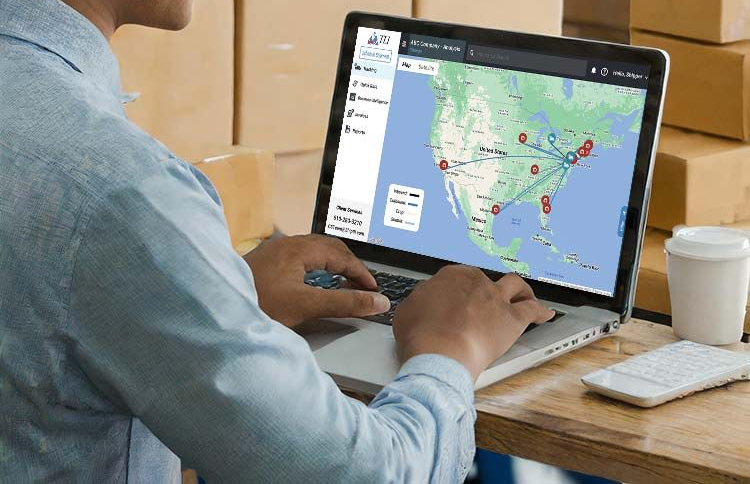
We combine powerful analytics with strategic sourcing tools to:
- Analyze your historical shipper data and KPI trends
- Optimize lanes with rating calculators and scenario modeling
- Build custom carrier pricing structures and accessorial rules
- Tailor cargo liability requirements to exactly what you need and weight breaks
- Engage carriers with transparent expectations and long-term volume
This process creates RFP results that actually result in better base rates, measurable service level improvement, and more predictable service outcomes.
Why Do Custom RFPs Outperform Generic Bid Events?
Strong base rates come from three things: carrier fit, data accuracy, and aligned volume.
We start with your actual shipment history, lanes, weights, and performance trends. We put that data through advanced rating tools, compare scenarios, and share refined volume forecasts with carriers. When carriers see a reliable volume profile and a clear set of expectations, they compete more effectively for your business. Generic bid events look for the lowest numbers, not the right partners.
Transportation RFPs give Shippers:
- Pricing that matches your network and lanes
- Carrier interest based on real volume and service expectations
- Multiple carrier scenarios so you can balance cost and capacity
- Better load tender acceptance because carriers understand your business
- Carriers respond with sharper pricing when they see consistency, transparent data and a commitment to partnership
Volatility in freight spend often stems from ad hoc pricing and unstable contracts, which can make budgeting and planning a constant challenge. By establishing consistent base rates and well-negotiated FTL and LTL contracts, you gain steady pricing even during capacity crunches, reliable access to freight capacity, and predictable cost forecasts that support smarter operational decisions. When carriers are part of a trusted program, they prioritize your loads instead of chasing sporadic spot freight, giving your business stability and confidence.
At TLI, we build carrier contracts that are true win-wins. Through detailed RFP events and performance-driven KPIs, you can understand true freight costs per mile and per pound, manage accessorials to avoid unexpected charges, and align carrier service expectations with your operational reality. Rather than reacting to surprises, your shipping team remains proactive and in control of the freight program.
A strong program also demands accountability, and TLI helps you define and track the metrics that matter most. These include on-time pickup and delivery percentages, tender acceptance rates, accessorial accuracy, detention and dwell trends, and cost per lane performance. With this approach, carriers understand exactly what success looks like, and you gain the ability to measure it objectively, ensuring both transparency and long-term program reliability.
When to Consider Outsourcing Freight Contracting
Carriers want consistency, clarity, and credibility, and shippers benefit when those needs are met. TLI bridges that gap by structuring RFPs around real volume, real operations, and real performance. When expectations are aligned from day one, shippers gain committed partners instead of transactional capacity.
Carrier and Shipper Questions for Better Conversations
Good sourcing strategy comes from good questions. Shippers should be asking:
Are we giving carriers the volume we promised?
Carriers price contracts based on expected lane volume, consistency, and seasonality. When actual tendered volume falls short, carriers lose confidence and shift capacity to shippers who honor commitments. A well run transportation RFP validates historical shipment data, forecasts realistic volume by lane, and aligns award percentages to what will truly move. TLI audits your freight history before the RFP launches to ensure awarded carriers receive the volume they were priced on, protecting rates and long term capacity.
Are our docks and operations creating good conditions for carriers?
Detention, long dwell times, inconsistent appointment scheduling, and unclear dock procedures all increase a carrier’s cost to serve. Those inefficiencies eventually show up as higher rates or rejected tenders. During an RFP, operational realities must be factored into carrier selection and pricing. TLI evaluates dock performance, appointment compliance, loading times, and accessorial trends so carriers price accurately and remain willing partners after awards are finalized.
Is our cargo liability requirement adequate?
Cargo liability requirements that are too low expose shippers to financial risk, while requirements that are unnecessarily high can shrink the carrier pool and inflate rates. The right balance depends on commodity type, shipment value, mode, and risk profile. TLI reviews cargo exposure
by lane and mode during the RFP process to ensure insurance requirements protect the shipper without disqualifying strong carriers or driving up costs unnecessarily. ViewPoint TMS also populates additional insurance availability if you do opt to strategically have agressive base rates with low cargo liability coverage, and you can purchase it on the fly when needed.
Do we have transparent $/mile and $/pound pricing visibility?
Without normalized pricing metrics, and KPIs it is difficult for shippers to compare carriers or identify true cost drivers. Lane rates alone do not tell the full story. Effective RFP analysis converts pricing into dollar per mile and dollar per pound metrics to reveal inefficiencies, density opportunities, and hidden cost premiums.
TLI delivers this visibility as part of the RFP evaluation so shippers can make data driven award decisions instead of relying on headline rates.
Are we tracking carrier performance in a way that matters?
On time pickup, on time delivery, tender acceptance, claims frequency, and billing accuracy are the metrics carriers respond to when we hold them accountable.
However, tracking too many metrics dilutes accountability, while tracking too few hides risk. A strong RFP ties historical performance directly into award decisions and future routing guides. TLI incorporates real performance data into the RFP scoring process so awarded carriers are proven performers, not just the lowest bidders.
Are we communicating expectations clearly before the load is tendered?
Misaligned expectations lead to service failures, accessorial disputes, and strained carrier relationships. Pickup windows, delivery requirements, appointment rules, detention policies, and communication standards must be clearly defined before freight moves.
TLI ensures these service quality expectations are documented during the RFP process and reflected in carrier awards, routing guides, and operational playbooks so execution matches the strategy from day one.
Carriers should be asking:
Are we delivering the service levels we committed to?
Carriers want to perform well, but service commitments must match operational reality. When expectations are unclear or unrealistic, even good carriers struggle to succeed. TLI structures RFPs so service requirements align with lane characteristics, transit times, dock conditions, and real world constraints. This allows shippers to award freight to carriers who can consistently deliver, not just promise.
Are service failures communicated quickly and accurately?
When issues happen, speed and accuracy of communication matter more than perfection. Carriers need clear escalation paths and shippers need transparency to protect customer relationships. TLI builds communication expectations directly into the RFP and operating playbook so both carriers and shippers know how exceptions are handled before the first load moves. This reduces friction and protects long term partnerships.
Do we have clear operating ratio expectations?
Carriers price freight based on cost to serve, asset utilization, and margin expectations. If lanes are awarded without understanding operating ratios, rates will not hold. TLI evaluates lane density, backhaul opportunities, dwell time, and frequency to ensure awarded lanes make economic sense for carriers. That stability benefits shippers through stronger capacity commitments and fewer disruptions.
Is the volume forecast reliable and backed with data?
Carriers lose trust when promised volume never materializes. Shippers lose leverage when forecasts are inflated or inconsistent. TLI validates shipment history, seasonality, and growth assumptions before the RFP goes to market. That credibility attracts higher quality carriers and leads to pricing that holds over time instead of falling apart after award.
Are accessorial rules and liability expectations clearly defined? Are we billing accurately?
Disputes over detention, layover, lumper fees, and cargo liability strain relationships and slow payment cycles. Carriers want clarity and shippers want predictability. TLI ensures accessorial rules, documentation requirements, and liability standards are clearly defined during the RFP process. This reduces billing friction, shortens resolution timelines, and keeps both sides focused on execution.
Can we offer long term stability rather than sporadic loads?
The best carriers prioritize shippers who offer consistent freight and predictable patterns. Sporadic tenders lead to spot pricing and unreliable capacity coverage. While TLI are experts are navigating the spot FTL market, for a motor carrier it is difficult to commit capacity when the load is sporadic.
TLI designs freight programs that reward consistency, align routing guides with real volume, and give carriers confidence to commit assets. Shippers benefit from stronger service, better rates, and fewer last minute capacity issues. TLI contracts the lanes where contracts are appropriate, offers mode optimization and works spot FTL loads where necessary.
Freight sourcing only works when carriers trust the data and shippers trust the outcome. TLI removes the guesswork by running disciplined, data backed transportation RFPs that align carrier economics with shipper goals. The result is stronger base rates, reliable capacity, and freight programs that perform long after awards are announced.
Freight sourcing is too important to skip formal bid events and outdated procurement methods. It is extremely important to partner with TLI as they have the technology, and relationships to get the best carriers awarded on the most appropriate lanes. With TLI’s custom RFP process, you get stronger base rates, more reliable capacity, and freight programs that truly move your business forward. Go with the best, ship with TLI.